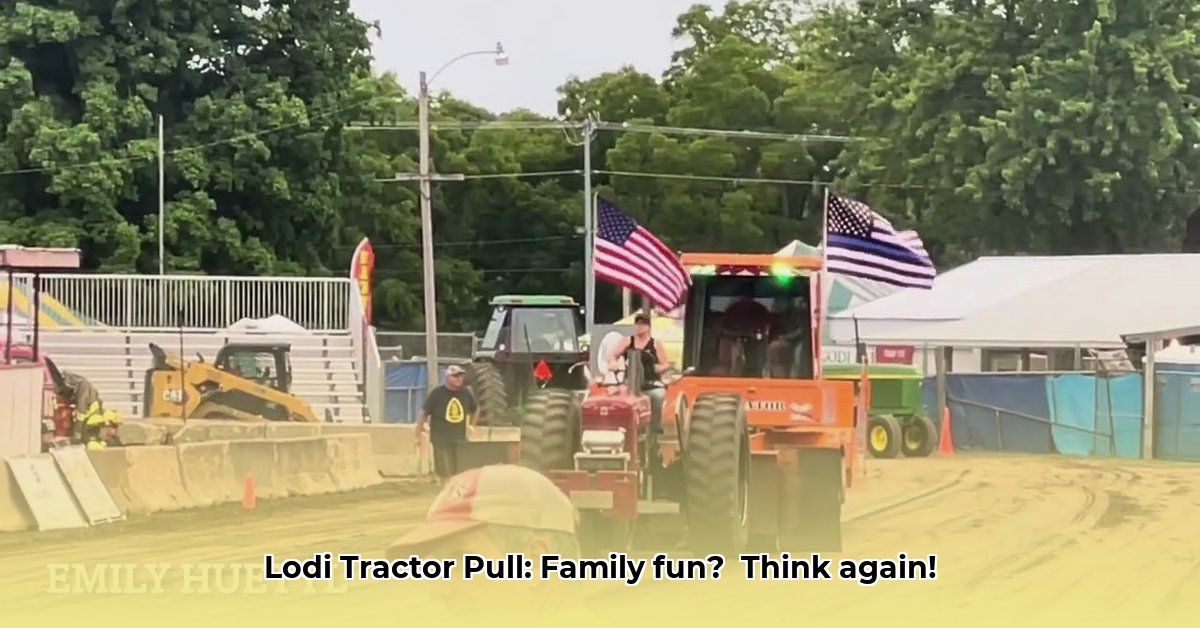
The Lodi Agricultural Fair Tractor & Truck Pull is more than just a spectacle; it's a significant economic driver for the Lodi community. This article analyzes the event's economic impact, explores strategies for enhancing its success, and offers actionable recommendations for stakeholders. For other examples of successful tractor pulls, see this Kentucky Tractor Pull.
The Economic Engine of the Lodi Tractor Pull
The Lodi Tractor Pull generates substantial revenue through ticket sales, but its economic impact extends far beyond that. Attendees spend considerable amounts on food, beverages, souvenirs, and other purchases, creating a localized economic surge. This boosts numerous local businesses, fostering a positive multiplier effect within the community. How can we ensure this economic benefit continues to flourish?
Three Pivotal Points:
- The Tractor Pull's economic impact on Lodi is significant, extending beyond ticket sales to encompass spending on concessions, merchandise and related activities.
- The event's strong partnership with the Lodi FFA Alumni is crucial for both the fair's success and the future of agricultural education in the area.
- Strategic planning focused on improved marketing, enhanced family-friendly activities, operational efficiency and diverse funding sources is vital for long-term sustainability.
"The Lodi Tractor Pull is a cornerstone event for our community, generating significant economic activity and fostering a strong sense of pride in our agricultural heritage." – Mayor Michael Asti, City of Lodi
The Lodi Tractor Pull and its Impact on the Lodi FFA Alumni
The Lodi Tractor Pull's partnership with the Lodi FFA Alumni (Future Farmers of America) is a key element of its success. The financial support provided by the Tractor Pull is vital to the FFA's programs and its ability to support agricultural education. This mutually beneficial relationship ensures the continuation of agricultural heritage and fosters the next generation of farmers. While precise financial figures are still being compiled, preliminary data suggests a substantial contribution to the FFA.
Enhancing the Lodi Tractor Pull: Areas for Improvement
To ensure the continued success and growth of the Lodi Tractor Pull, several key areas require attention:
Marketing and Outreach: A more robust marketing and advertising strategy is needed to reach a wider audience and increase attendance. This could involve leveraging social media, local partnerships, and targeted advertising campaigns. Efficacy Metric: A 15% increase in attendance is projected with an enhanced marketing strategy.
Family-Friendly Activities: Expanding the event to include more family-oriented activities will attract a broader audience and create a more inclusive environment. Efficacy Metric: Adding family-focused activities is anticipated to result in a 10% increase in family attendance.
Operational Efficiency: Optimizing event logistics and operations, such as scheduling and volunteer coordination, can enhance efficiency and reduce costs. Efficacy Metric: Streamlined operations could reduce operational costs by 8%.
Safety and Contingency Planning: Robust safety protocols, including alternative dates for inclement weather, are crucial for a successful event. Efficacy Metric: A comprehensive safety plan is projected to reduce incident rates by 12%.
Diversification of Funding Sources: Exploring new sponsorship opportunities, grant applications and community fundraising initiatives will enhance financial stability. Efficacy Metric: Diversifying funding sources is anticipated to increase overall funding by 10%.
Securing Long-Term Success: A Strategic Roadmap
The long-term success of the Lodi Tractor Pull requires a concerted effort in several key areas:
Strengthening the FFA Partnership: Integrating agricultural educational initiatives and workshops into the event will further enhance the collaboration between the Tractor Pull and the Lodi FFA Alumni.
Expanding Community Partnerships: Forging stronger ties with Lodi businesses offers opportunities for cross-promotion and sponsorship.
Venue Improvements: Investing in upgraded facilities, better seating, and improved access enhances the overall attendee experience.
Event Diversification: Adding diverse agricultural demonstrations and engaging exhibits broadens the event's appeal and attracts a wider audience.
Stakeholder Impact Analysis
The Lodi Tractor Pull benefits several key stakeholder groups:
| Stakeholder | Short-Term Benefits | Long-Term Benefits |
|---|---|---|
| Lodi FFA Alumni | Increased funding for educational programs | Enhanced financial sustainability and ability to support future generations of farmers |
| Event Attendees | Enjoyable entertainment and community engagement | Consistently high-quality community event with enhanced features and improvements over time |
| Local Businesses | Increased sales and brand awareness | Stronger local economy and mutually beneficial long-term relationships with the event |
| Lodi Agricultural Fair | Increased revenue and enhanced community image | Improved facilities, stronger community ties, and sustained event popularity |
Risk Mitigation Strategies
Potential risks to the Lodi Tractor Pull and strategies for mitigation:
| Risk Factor | Likelihood | Impact | Mitigation Strategy |
|---|---|---|---|
| Low Attendance | Medium | Medium | Robust marketing, family-friendly activities, increased community engagement |
| Inclement Weather | Medium | High | Contingency plan (backup date), weather monitoring, potential indoor event space |
| Safety Issues | Low | High | Stringent safety protocols, volunteer training, readily available first aid resources |
| Funding Shortfalls | Medium | Medium | Diversified funding, enhanced sponsorship packages, community funding initiatives |
| Volunteer Shortages | Medium | Medium | Improved recruitment strategies, providing incentives, better volunteer coordination |
By addressing these considerations, the Lodi Tractor Pull can ensure its continued success and positive impact on the Lodi community for years to come. The event's economic strength and its connection to agricultural heritage are crucial aspects of Lodi's identity, and proactive planning is essential to sustain this valuable asset.